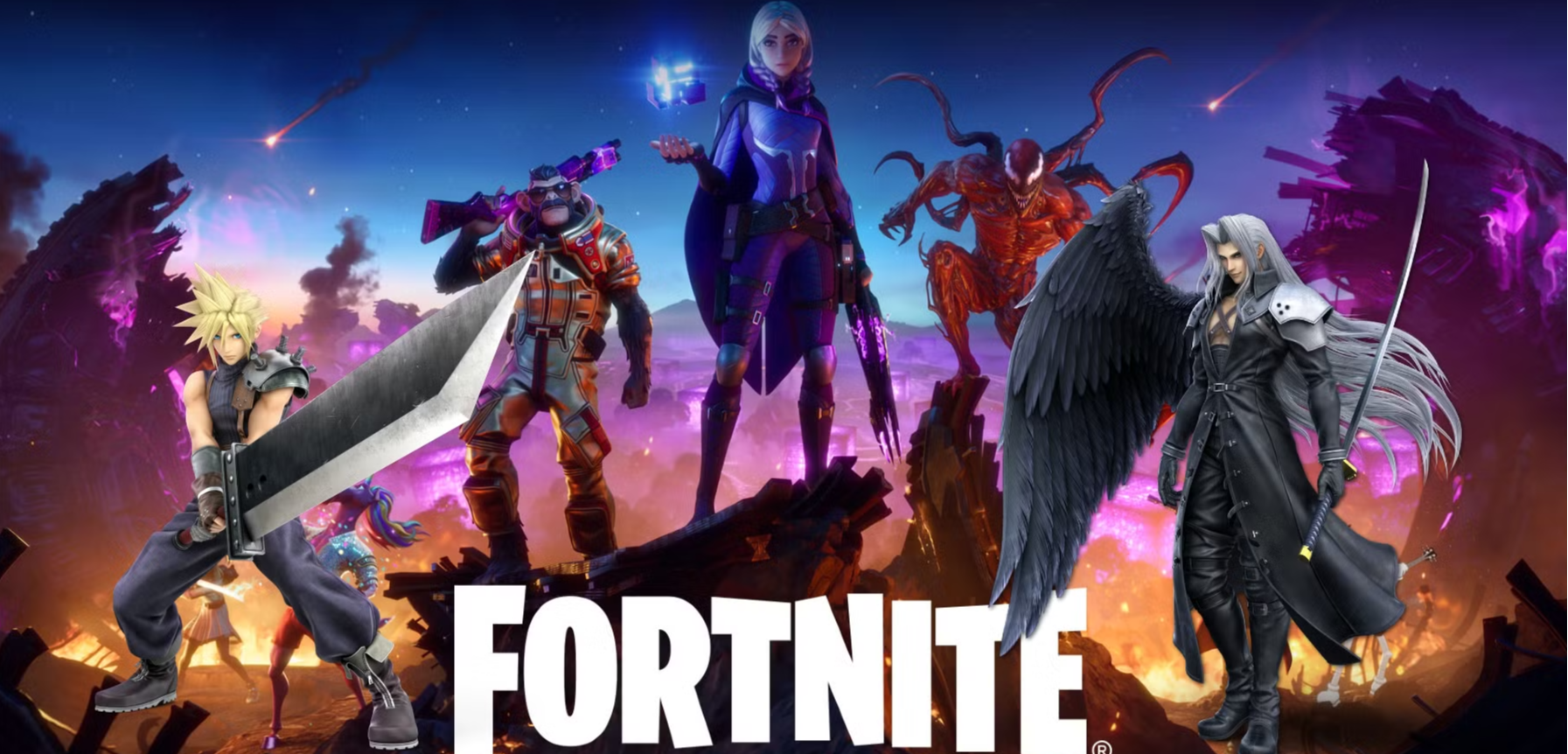
In a recent communication from Mat Piscatella, Executive Director and Game Industries Analyst of the well-known market analysis agency, Circana, it is stated that the game industry is currently facing profound changes and core challenges. In his view, the real source of pressure on the industry was not a subscription service, such as XGP, as some of the views expressed, but rather a market monopoly effect of the top real-time service and permanent games represented by Fort Night.
According to the latest market data, in May 2025 United States game players sharply increased their spending on subscription services to $600 million, a record high and three months of continuous growth. Piscatla analyses that the expansion of subscription services is closely related to the current macroeconomic environment: rising inflation and economic uncertainty have led to a greater tendency on the part of consumers to seek high-value recreational consumption. Services such as the XGP, which provide free-of-charge games at large, satisfy the user’s demand to “pay, enjoy”.
Piscatla made a clear rebuttal of the industry’s saying that “subscription services are strangling traditional game sales and industry dynamism”. He made it clear that what posed an even greater threat to the ecology of the game industry was in fact the top real-time service players. In PlayStation and Xbox mainframe ecology, the top 10 real-time service games (Fort Night, Mission Call, My World) have devoured nearly half of the players ‘ game time.
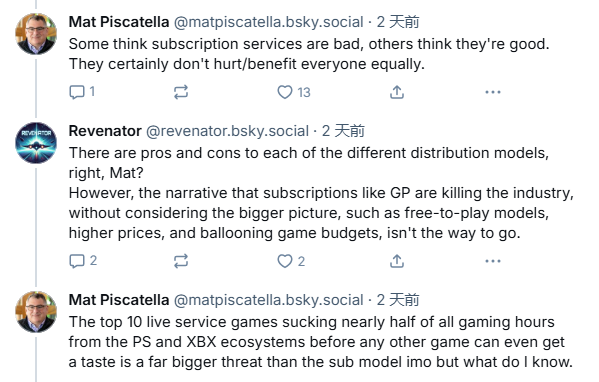
“Before any new game or service emerges, their potential user time has long been seized by these giants,” Piscatla stressed, “So, in all my trade speeches, I have maintained the view that the number one competition for any new game or service is Fort Night.” He further added that, compared to the phenomenon-level work under Epic and the huge ecological and lasting appeal of users created by my World, ROBLOX, “the influence of other competitors at this stage is almost negligible”.
Piscatella’s point of view is not alone. Earlier this week, the former Director of Operations of SE also released a deep analysis of the current situation in the game industry. It also confirms the difficulty of competing with first-hand real-time service games such as Fort Night and points out forward:Game is no longer just a content product, but also a virtual space for socialization, interaction and long-term presence of users, and head-on real-time service games, with their birthright advantages and vast user base, have gained absolute dominance in this transition and profoundly shape the future of the industry.
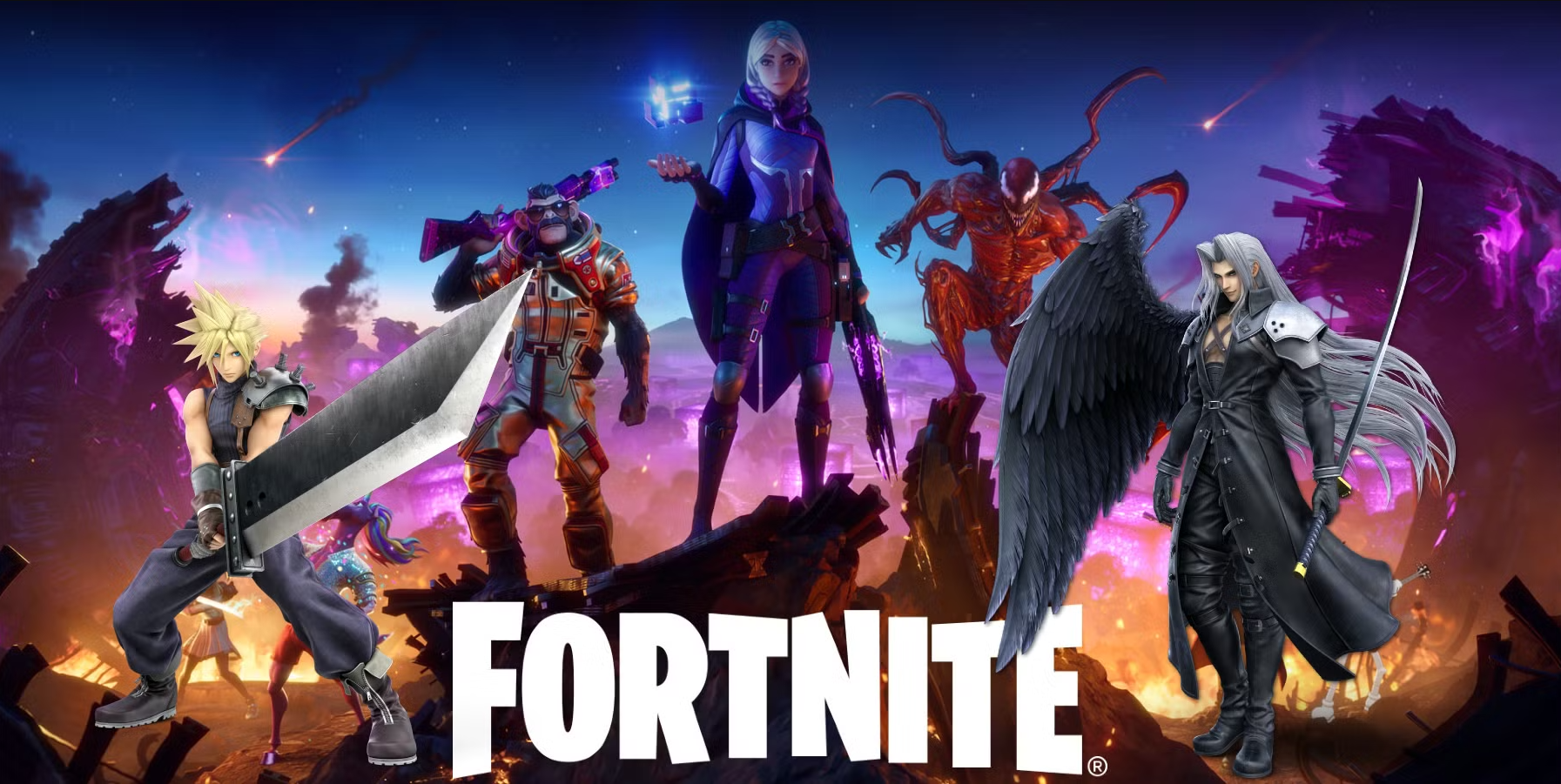
Piscatla’s analysis reveals the current structural challenges facing the game industry. While the emergence of subscription service models has changed content distribution and consumption habits, its core is to provide users with more dollar, more cost-effective choices.
This is not the case.Top-time real-time service games such as Fortress Night, with their powerful user stickyness, continuous content updating and social attributes, have created near-monopoly user time and attention irritation, which are at the heart of crowding out game space and reshaping industry competitive patterns.In the future, finding a breakthrough in this big-headed market will be a key proposition for all game developers and distributors to confront.