
The prediction platform Polymarket is a success story of an increasingly widespread and viral transmission, involving even United States President Trump, as the data presents a different picture. According to the research of the analyst Andrey Sergeykov, only 15.9 per cent of traders are profitable, leaving 84.1 per cent of users in loss.
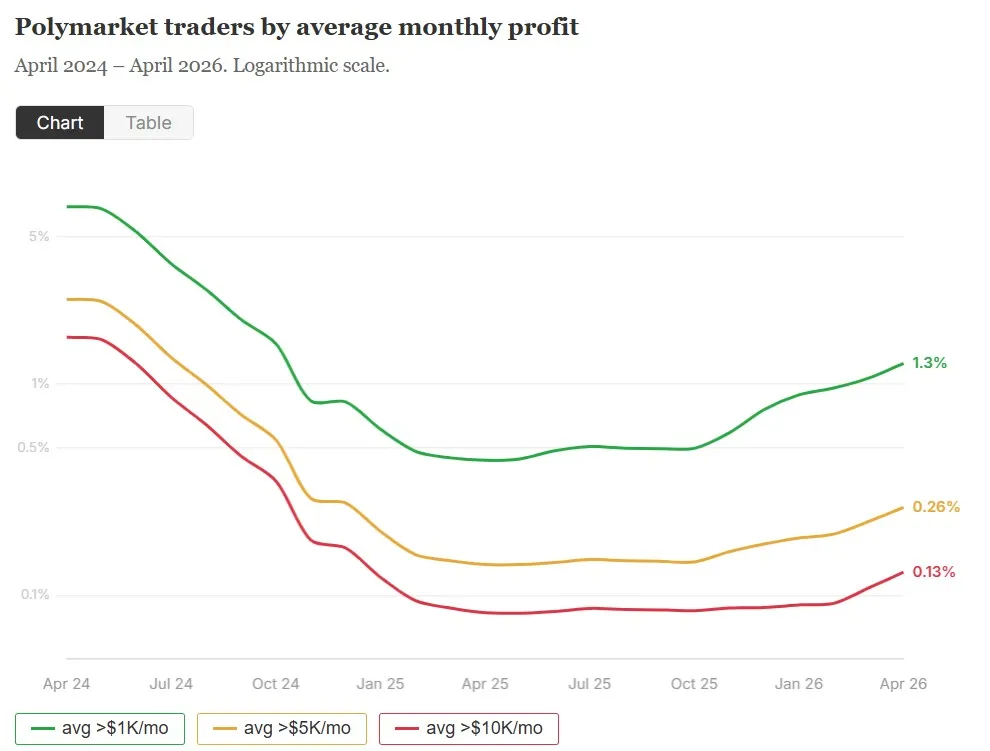
The study analysed about 2.5 million users and found that high profitability was rare. Only about 2 per cent of participants had a total profit of over $1,000. Fewer than 1 per cent of users crossed the $10,000 threshold. Some 840 traders have reached the six-digit profit. The above data show that while a small number of individuals have received significant returns, most users are losing. The distribution of profits is highly concentrated in a small group, reflecting the general trend in speculative markets. The study highlighted timing as one of the most important factors influencing performance. During the United States elections in 2024, there was a proliferation of Polymarket users. The election period attracted a large number of new participants, many of whom had limited experience in trading or forecasting markets. Overall performance declined as participation increased. Research suggests that newer users entering during periods of high interest may face greater losses. This pattern shows that market conditions and the level of user experience directly influence the outcome.

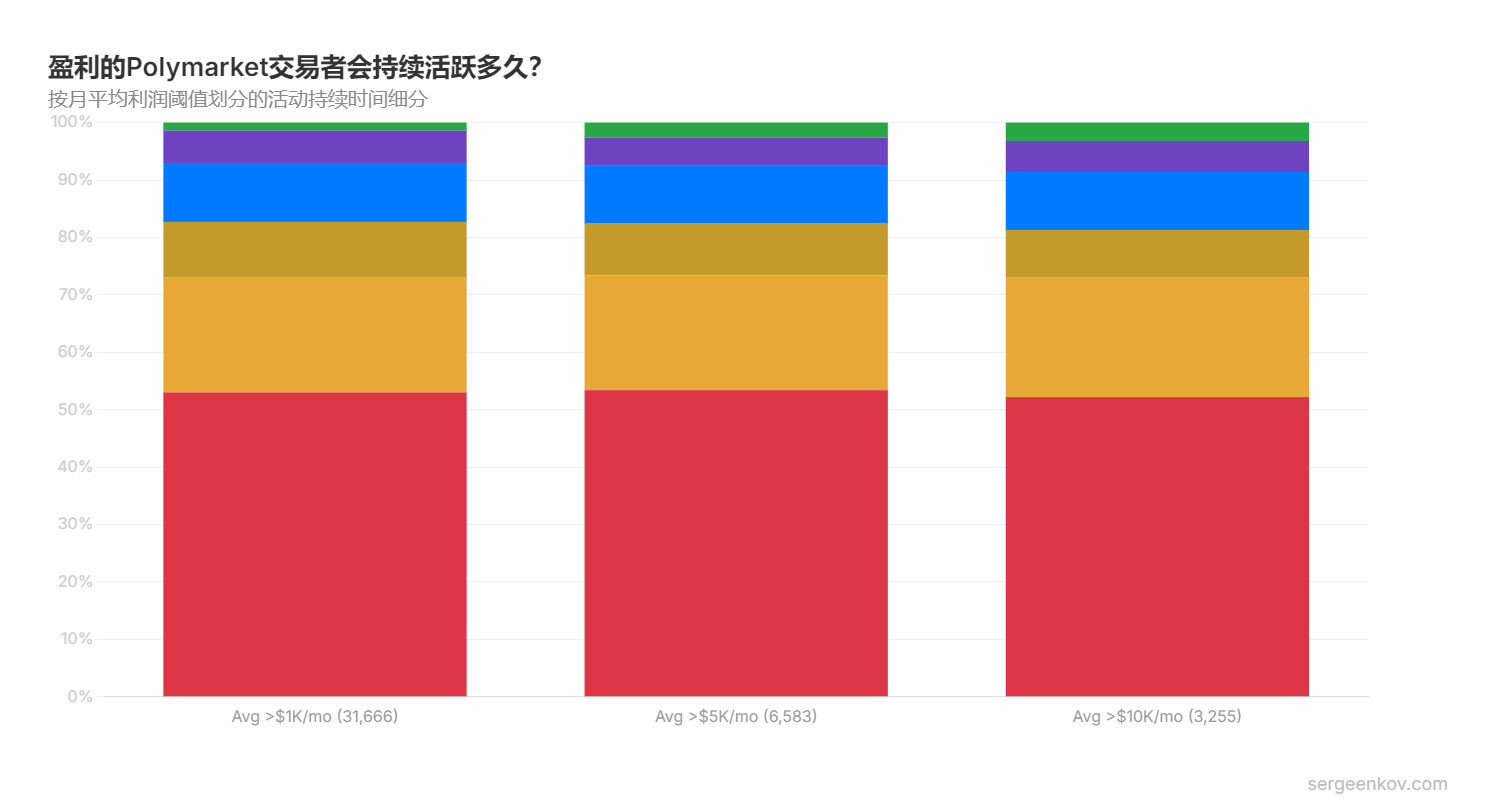
Coherence remains a major challenge for traders on the platform. While some users have reported strong returns in individual months, few have sustained this performance in the long term. Only slightly more than 1 per cent of users make more than $1,000 a month. Fewer traders make more than $5,000 a month. It is all the more rare that this profit be maintained over several months. The data show that more than half of the profit-making users reached their maximum profit within one month. Many stopped trading shortly after reaching their second peak. This trend suggests that short-term success often does not translate into long-term profitability. The study also found that successful traders often remain active only for a limited period of time. Only a very small number of users with an average monthly profit of more than $5,000 can keep trading for more than a year. Most user models are short-term outbreaks of activity rather than stable and sustained participation. Such behaviour suggests that even high-income traders may find it difficult to sustain consistent results over the long term.
Predictive market operations such as Polymarket are based on group pricing. This means that the users are actually gambling with the collective views of other participants. It may be difficult to find advantages in such an environment, especially in markets where information is easily accessible and of wide interest. The continued entry of new users further affected market dynamics. Experienced traders may benefit from such influxes, while followers face a higher risk of loss due to lack of knowledge or strategy. Andrei Sergeykov noted that many new traders entered the market without understanding basic principles such as financial management or predicting how the market operated. This lack of preparedness increases the likelihood of economic loss. The platform also faces public scrutiny, especially in the political market, where concerns about insider trading existed.

Trump-based social media group Truth Social works with the prediction platform Crypto
In response, Polymarket introduced stricter rules, including a ban on transactions based on non-public information and restrictions on access by individuals that may affect the outcome. These measures are aimed at enhancing transparency and maintaining trust among users.