In recent days, during the annual “Made on YouTube 2025” campaign, YouTube has officially launched a number of innovative features aimed at furthering efficient liquidity for creators and advertisers through video shopping mechanisms. This update marks the transition of YouTube from a simple content platform to an integrated electrician ecology, which is expected to generate more income opportunities for over 500,000 creators worldwide.
According to official data, the total value of goods (GMV) for the YouTube Shoping program has been five times the annual increase and over $100 billion has been paid to creators, artists and media companies over the past four years. These new features not only optimize the flexibility of brand implantation, but also introduce AI-driven smart tools to help creators easily capture audience interest and provide the advertiser with accurate data insight. One of the core highlights is the dynamic branding system (Dynamic Sponsorships) that will be launched in 2026, which is a revolutionary long video advertising format that allows creators to set “replaceable slots” in the video, with flexibility to insert or replace brand sponsorship. Unlike traditional fixed implants, such systems allow creators to easily remove old sponsorships after a partnership has ended and to re-sell slots to other brands, or even to sell the same slots to different markets (e.g. the United States or Europe) to achieve “video activation” — transforming content into reusable commercial assets.
Specifically, creators can select points for insertion, monitoring performance indicators (e.g., click and conversion) in YouTube and share reports with brands. YouTube official states: “This new format allows you to remove sponsorship after the transaction is completed, to re-sell the slot to another brand, or eventually to sell the same slot in different markets – to convert your video into live assets and to contribute to business growth.” The functionality will be tested in a small group of creators early next year and is expected to be fully rolled out by 2026. This not only reduces the reliance of creators on a single brand, but also makes video, like traditional television networks, a sustainable advertising vehicle. For advertisers, this means a lower entry threshold and a higher ROI (investment return) because they can adjust their strategies to real-time data. In response to the explosion Shorts short video, YouTube is about to launch a straight-link brand office network that allows creators to add direct links to brand sites, allowing viewers to jump and buy them. The update will be equipped with an advanced transformation tracking tool, which will go beyond traditional indicators such as viewing and fine points, provide direct traffic and actual sales data and help creators to prove the commercial value of Shorts.
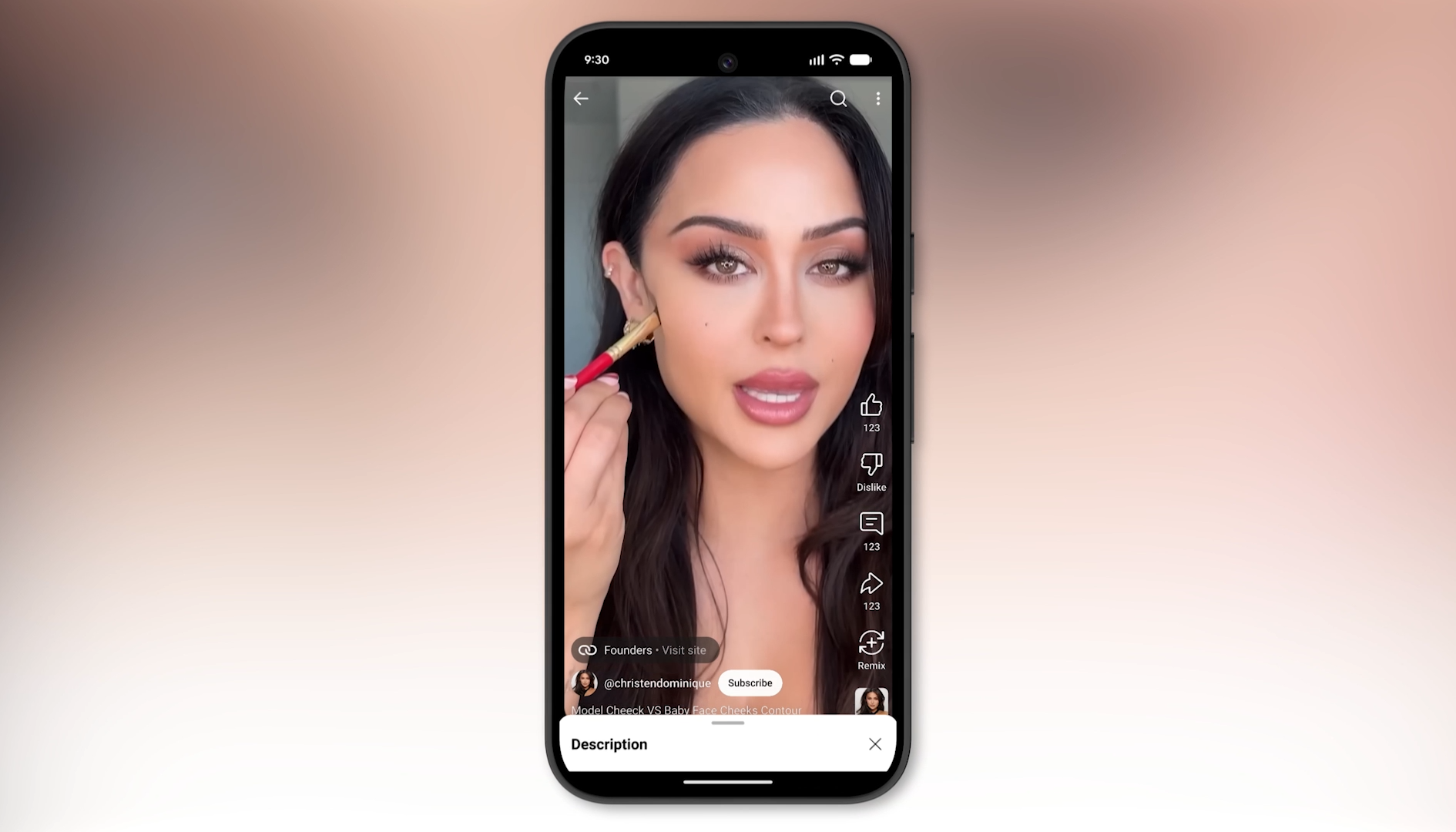
YouTube emphasizes that: “Creators can now show advertisers how Shorts drives direct flows and transformations, with data well above traditional indicators such as viewing and praise.” This is going to be on line (soon) and will further activate Shorts’ electric power potential — after all, Shorts has become the fastest growth engine for YouTube, with more than 2 billion active users. For advertisers, this means a more accurate drop, avoiding the pain of “burning money without transformation”. YouTube has also introduced an AI-based smart matching system, which offers “conciliators” for the brand through its Google Ads Creative Partners Centre. The system analyses the creator ‘ s style of content, image of the audience and historical collaboration, generates individualized advice, supports industry activities and marketing resources, and helps advertisers to quickly connect. Official disclosure: “With AI, we will soon be able to offer the right creators.”
According to TechCrunch, YouTube is accelerating the AI application from Veo 3 video generation to automatic subtitles, full-fledged creators. For advertisers, this means lower cooperation costs and data-driven decision-making; for creators, it is a new path to income diversification — from advertising to power company sharing. Looking ahead, as the 2026 dynamic implant matures, YouTube creators will be more like “micromedia networks”, independently running advertising stocks.