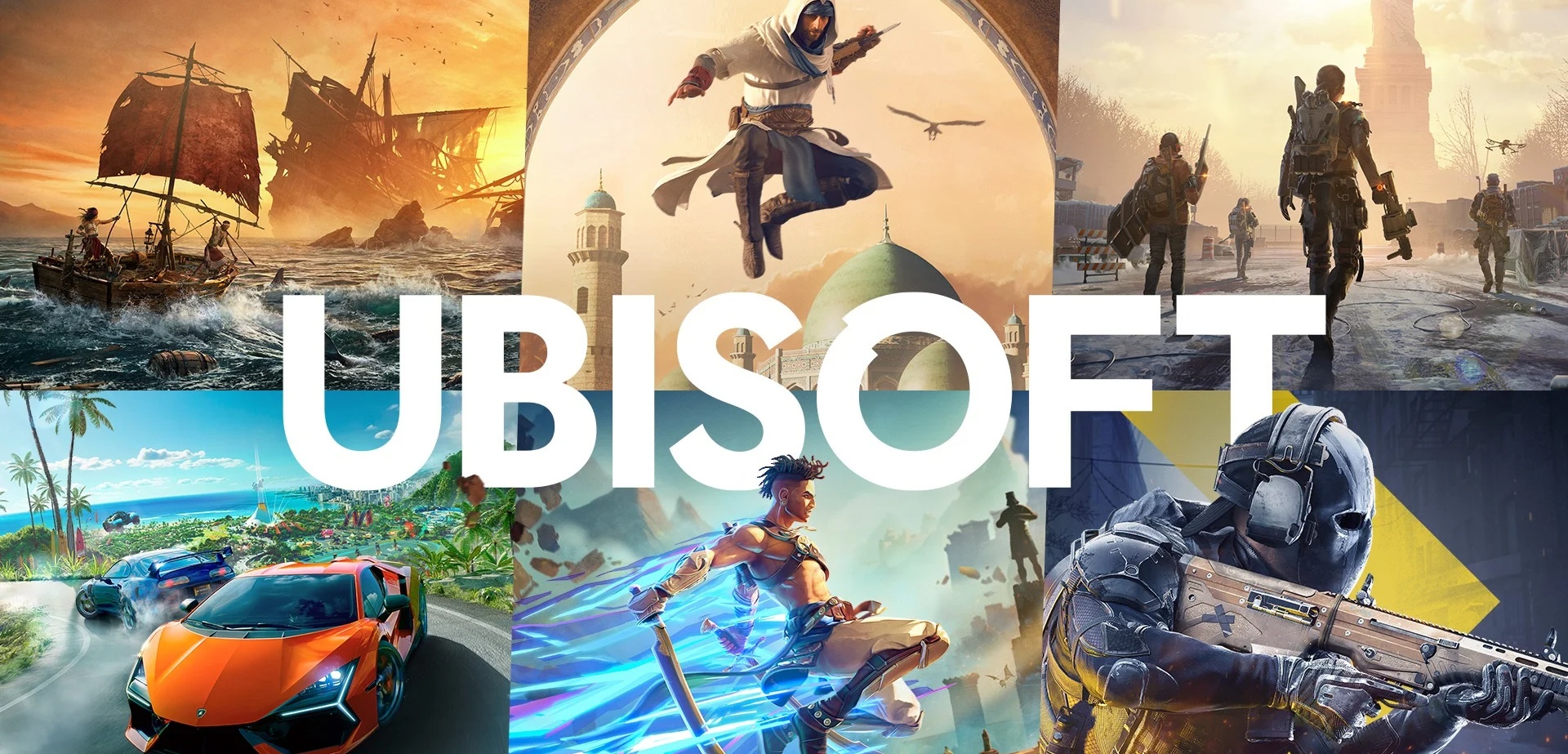
The last decade has been difficult for European game distributors. In 2021, the old British distributor Codemasters was acquired by EA, and a few years later the Embracer group, one of Europe ‘ s largest distributors, came into financial crisis and was forced to sell or shut down a studio that had been so crazyly purchased. Although independent issuers such as Kepler and independent issuers such as CD Project R are performing well, the overall form remains critical. This is due both to the acquisition of midstream poles such as Codemasters, and to the crash of Embracer, which has affected all European enterprises, and to the downhills of Phoebe, which have clouded all European distributors, dragging the whole industry into an inevitable cold. Eidos and Infogrames have long been out of the market, despite Embracer’s attempts to expand through blind and rapid acquisitions, and she is now the last pillar of European distributors. As Europe ‘ s last independent giant, its success and international influence are not only economic issues, but also business dignity.
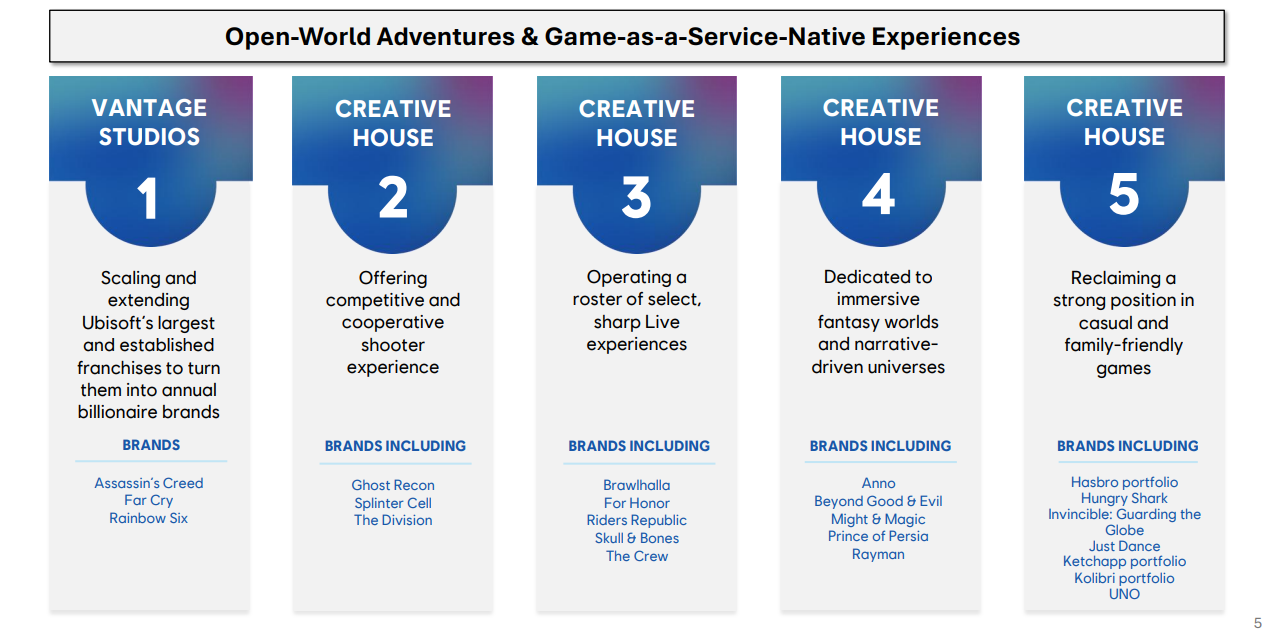
However, the “problem” is no longer enough to describe the situation that has prevailed for almost 10 years, with a 95 per cent drop in stock prices over peaks, a recurring disappointment in financial reporting, and poor performance of many heavy games, particularly the failure of Star Wars: The Desperate. The succession of layoffs, which have affected thousands of employees, has given rise to the certainty that the once glorious game empire is approaching its sunset. In an effort to reverse the decline, the business restructuring programme was announced this week: on the basis of an important collaboration with the Queens at the end of last year, all the studios and IPs under the flag were reorganized into five business units (creative workshops), which would enjoy a high degree of financial freedom and creative control over the categories for which they were responsible.
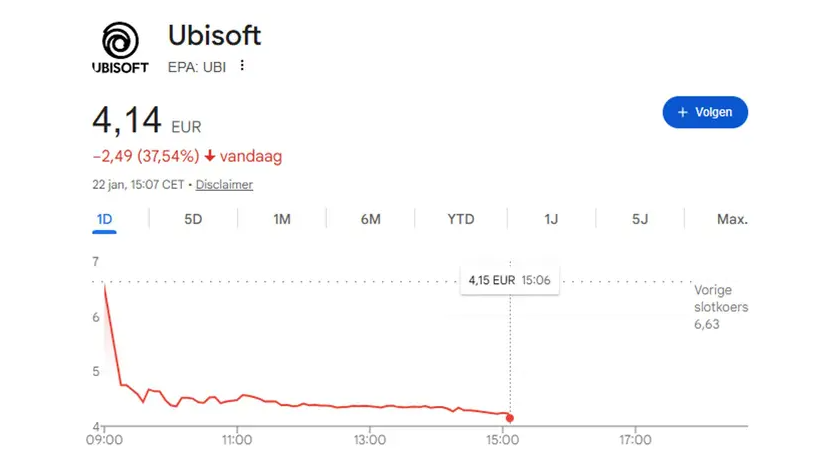
As in most enterprises, poor management decision-making is at the heart of the problem. According to the Play Industry magazine, a number of informed sources have reported that the infighting and seizure of power within Phubai have exacerbated the problem of management, leading to the virtual collapse of business decisions in recent years. Many projects have been in the political quagmire for many years, burning money and enthusiasm, and eventually only a sharp fiscal deficit. In theory, the fragmentation of companies into stand-alone units allows for a closer integration of financial responsibility and creative decision-making, thus focusing on clear objectives. If the problem was top-down, it might be a solution. However, it was clear that the market was not buying, and after the announcement of the reorganization, the price of the product had again dropped by 40 per cent. According to the Game Industry, from a more utilitarian point of view, investors consider the platinum to be more like “precution” for the subsequent divestment and scaling down of assets.
The first creative workshop will include all the company ‘ s flagship IP (Assassination Letter, ” The Screech of the Island ” , ” Rainbow VI ” ), under the agreement between Nau Bai and Tent, and the information will be valued at far more than the market value of the subsidiary. The remaining workshops are divided into “goods”: shooting games, real-time service games, adventure fantasy games, home mobile games.
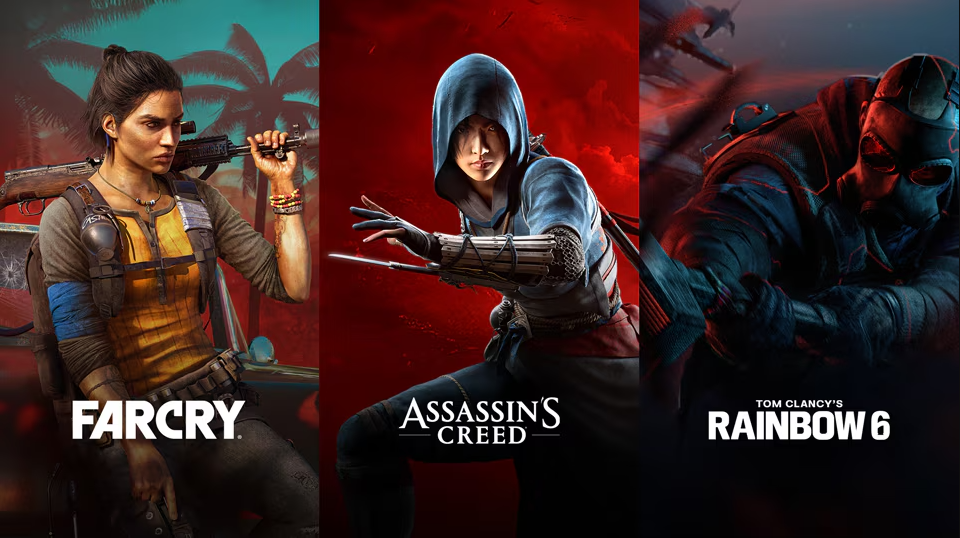
The Vantage Studios studio, with the top three IPs, is valued at more than three times the current market value of maternity.
Paradoxically, however, the concentration of all flagship IPs in a single unit directly deprives other studios of the support products that they should have, which in turn leads to an excessive tilt of resources. Imagine what the adventure fantasy department would do without the Assassin letter? What’s the point of not having a shooting department for “Surreau” or “Rainbow Six”? From a utilitarian point of view, this would be tantamount to a central sealing of core business of real interest to investors, while the remaining business would be left on its own. Even more disturbing is the fact that this reorganization has not touched on the “top-down intervention” that has been chronically ill of the baby. Despite the announcement ‘ s emphasis on the financial autonomy of the creative workshops, it remains doubtful whether he is really willing to delegate power, given Yves Guillermo ‘ s tenacious control over external investors and malicious acquisitions over the years. According to the Game Industry, the seed of suffocation control has long been buried, requiring all employees to return to full office. Such gestures have exposed the bluff of management, and truly capable managers need not resort to such means. This should have been decided by the empowered, independent creative workshops based on the needs of the team, rather than imposed by senior managers and advisers.
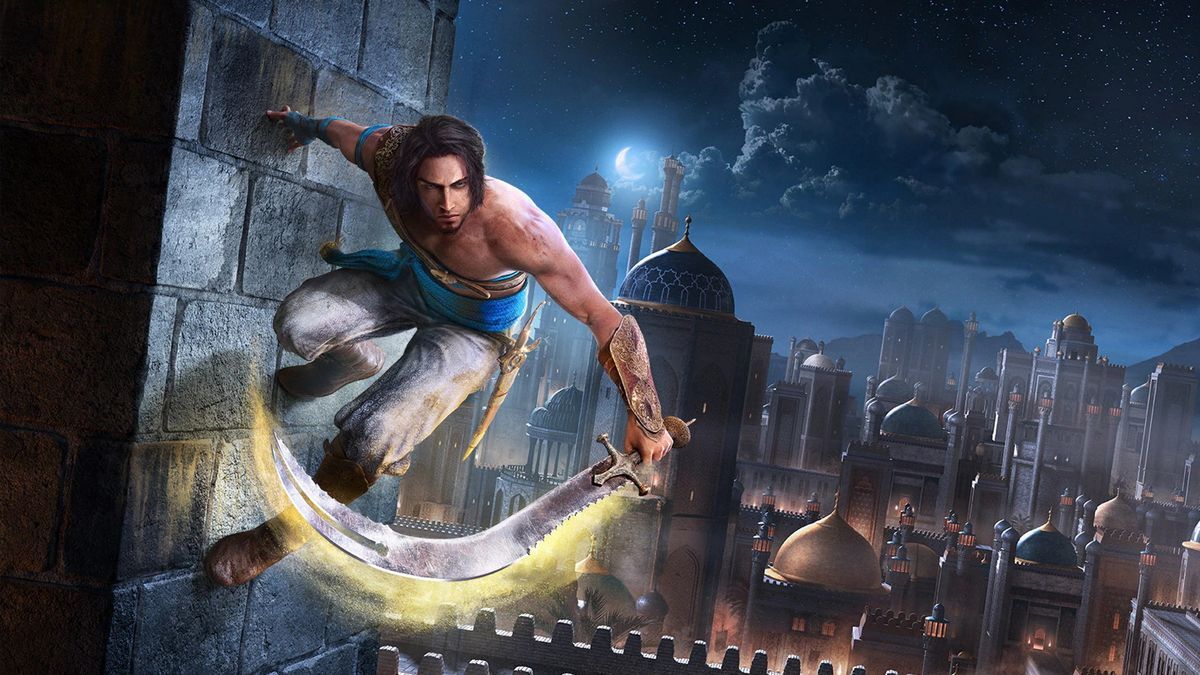
Six years after the publication of Prince Persia’s new edition.
The negative reaction of the market to the recombinant process is also reasonable. The high-ranking body of the baby had not changed and had been in the hands of the Guillemot family, and Kilemo had made it clear that it would be better to “crawl off” than to untie the wheel. The preference for top-down control is likely to override the empty commitment to the so-called stand-alone business module. The new structure looks more like a private equity menu than a blueprint for future success. The magnitude of the problem is further highlighted by the new round of staff reductions that will result from the restructuring. No matter how much it costs to get a consultant to produce a PPT that is “efficient”, a game company that is still retrenching is simply bleeding in the present, not looking at the future. The last independent giant of the game industry in Europe is at a crossroads of strategic drifts and capital games.