The Indonesian Commission for the Supervision of Business Competition (KPPU) convened the General Assembly of the Integrated Assessment Commission in Jakarta to focus on the question of the acquisition by TikTok Nusantara of shares in Tokopedia, Indonesia ‘ s largest electric power company, of late declaration irregularities. KPPU investigators stated that TikTok was suspected of having delayed submission of the purchase notice by 88 working days, in violation of the 30 working days notice requirement under Indonesian law. Prior to this, KPPU granted the transaction conditionally on 17 June 2025, requiring TikTok and Tokopedia to meet a number of regulatory conditions to prevent monopolies and unfair competition.
TikTok completed the acquisition of 75.01 per cent of Tokopedia ‘ s shares on 31 January 2024, with a value of over 5 trillion guilders (approximately $330 million). Tokopedia is the largest electrician platform in Indonesia, while TikTok is rapidly expanding its electricity company operations in Indonesia through its TikTok Shop function. The acquisition was a byte beat by TikTok parent in response to Indonesia’s September 2023 policy to ban online shopping on social media platforms. The ban forced TikTok to close its TikTok Shop service and then to restart the electricity business in cooperation with Tokopedia. Under the relevant Indonesian and KPPU policies, significant acquisition transactions involving potential monopolization or unfair competition are subject to notification to KPPU within 30 working days of the entry into force of the transaction. The acquisition of TikTok took effect on 31 January 2024 and the deadline for notification was 19 March 2024. However, KPPU states that TikTok did not submit its notification until 7 August 2024, with a delay of 88 working days.
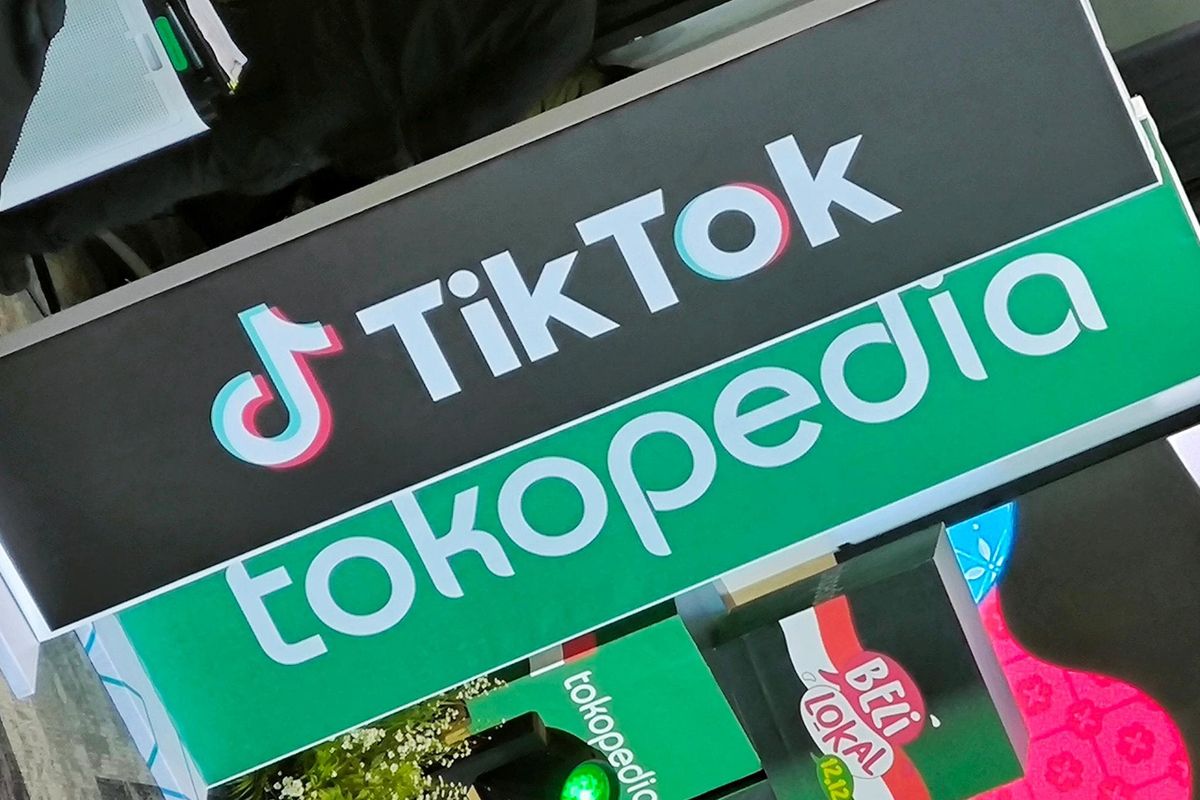
On 22 July 2025, KPPU held a hearing in Jakarta, focusing on this violation. The hearing was chaired by the Chief Investigator, Rhido Jusmadi, and comprised M. Fanshurullah Asa and M. Noor Rofieq. The investigators submitted the Preliminary Report on Violations (LDP), emphasizing that the late filing was a violation independent of the previous merger. The next hearing is scheduled for 5 August 2025 to further discuss TikTok compliance. KPPU launched a comprehensive assessment of TikTok ‘ s acquisition of Tokopedia on 27 May 2025 and found that the transaction could lead to monopoly or unfair competition. Finally, after several rounds of hearings, on 17 June 2025, KPPU conditionally approved the transaction, requiring TikTok and Tokopedia to comply with a number of established regulations. These include: prohibiting the compulsory use of specific payment or logistics services by consumers to avoid bound sales; preventing the crowding out of small and medium-sized competitors through low-price strategies; ensuring that TikTok account holders can promote products on other electric power platforms; not giving priority to the display of TikTok or Tokopedia’s own products, discriminating against other vendors; submitting lists of direct and indirect costs, logistics and payment partners and cooperation agreements; and submitting quarterly reports under KPPU supervision within two years from 17 June 2025 to 17 June 2027.
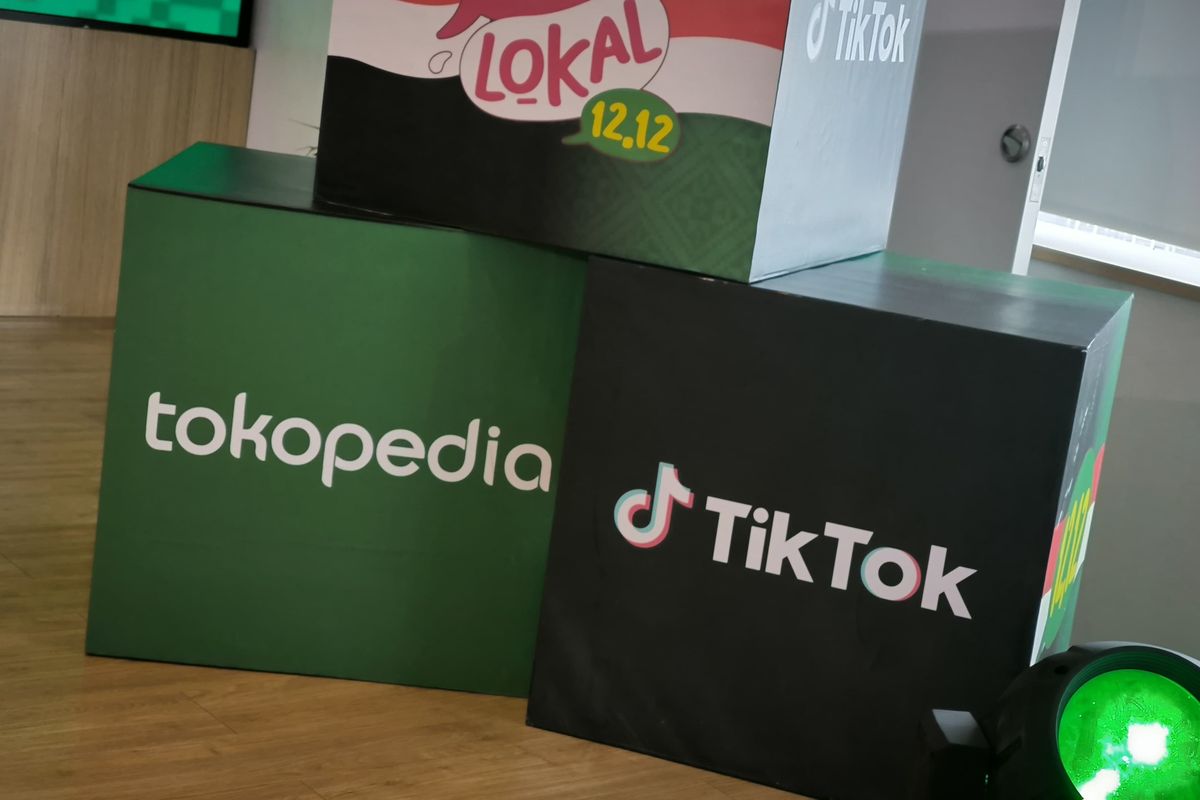
KPPU emphasized that the delay declaration investigation was independent of the previous merger review. TikTok may face administrative penalties or fines for late filing, the amount of which has not yet been disclosed. TikTok ‘ s legal representative Farid Fauzi Nasution stated that the company was committed to complying with Indonesian competition legislation and had cooperated with KPPU ‘ s investigations.
TikTok’s acquisition of Tokopedia has consolidated the two major players in Indonesia’s electricity market, raising concerns about market concentration and MSME protection. Indonesian electrician markets are highly competitive, and platforms like Hopee and Lazada are running alongside Tokopedia. The regulatory conditions of KPPU are designed to ensure fair competition and, in particular, to protect MSMEs from predatory pricing and unfair treatment.