Australia confirmed a total ban on the use of social media for persons under 16 years of age from 10 December 2025. Data show that social media use among young people aged 14-15 in Australia is close to saturation and that there is growing concern among policymakers and public health experts about the exposure of young people to harmful content, such as gambling advertising, as a potential link to problem gambling behaviour. A recent study by the Australian Social and Political Market Research and Opinion Statistics company, Roy Morgan, shows that on average 624,000 Australian youth aged 14-15 years use at least one social platform within four weeks. Data clearly reveal the extent of penetration of digital platforms in the daily lives of young people, only days before the long-awaited social media ban in Australia came into effect. Studies show that 95 per cent of young people aged 14-15 use YouTube, followed by Snapchat (87 per cent), Facebook (81 per cent) and Instagram (78 per cent). A significant percentage of young people use Reddit, TikTok and X. This age group uses at least one social platform almost entirely.

Chief Executive Officer Roy Morgan, Michel Levin, stated: “Social media have been integrated into the daily lives of adolescents”. In her view, the study highlighted the scale of the regulatory challenge: “Any policy adjustment to be implemented next week will affect almost all 14-15 year olds throughout the country”. Despite legislation aimed at protecting minors from cyber-violence, experts noted that it also exposed broader social issues: social media, online gambling and advertising for young people were increasingly intertwined. Australia is one of the countries with the highest levels of gambling participation worldwide, and recent studies have shown that the spread of online investment has only increased the risk of gambling. For the first time, mobile-end investments went beyond physical sites, driven by digital universalization and targeted advertising. Regulators and researchers have found increasing evidence of long-term exposure of minors to gambling advertising before they reach the age of legal gambling. Previous research by the Australian Communications and Media Authority and the Electronic Safety Commissioner has found that minors are often exposed to gambling advertising through live sports, social media delivery, video streaming media platforms, electronic content and net red marketing. The 2023 parliamentary on-line gambling advertising survey showed that children were able to repeat the lottery brand, the compensation rate format and the slogan clearly. Public health organizations have warned that even passive contacts (e.g., watching the sponsorship of a ballie, a court ad and a short video) can normalize gambling behaviour. Further research by the Australian Gambling Research Institute has shown that young people who have an impression of gambling advertising are more likely to be watching as a regular part of sports and recreation, and researchers have warned that such early contact increases the risk of future participation in gambling.
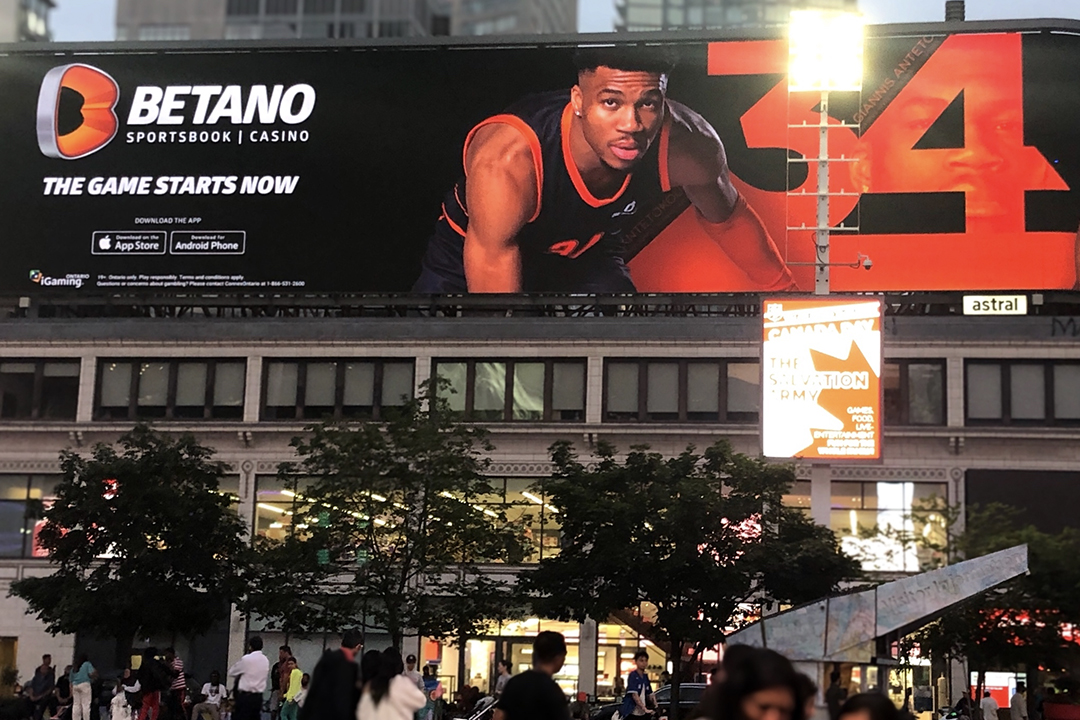
At the same time, Australian gambling hazard data are worrying: 73 per cent of Australian adults have been involved in gambling at least once in the past year and 38 per cent have been involved weekly. Although the percentage of the adult population who gambled at the problem remained at 0.7 to 1.0 per cent, the impact was wide-ranging. Another estimate by Roy Morgan indicates that nearly 3.5 million Australians are in a state of problem or risk gambling, an increase of 22 per cent over the previous year, and that over 600,000 people are experiencing a pattern of coerced sexual behaviour, with early warning signals found by researchers among 12-17-year-olds. In response, gambling regulation has been tightened sharply: authorities have tightened anti-money laundering controls, identification requirements and advertising standards, and fines have increased significantly (Tabcorp was fined $4.6 million this year for repeated offences). Advertising has now become the focus of debate across Australia, with lobbying groups and health organizations accusing gambling of being pervasive, especially in sports live and social platforms where young people gather. Critics argue that this continued visibility blurs the boundaries between leisure and betting. The Australian Federal Government is likely to implement the gambling advertising ban in stages, including limiting sponsorship and live sports advertising. Many cantons have introduced a curfew policy during the time of family visits. However, industry warns that sudden restrictions may drive consumers towards offshore gambling sites that are not subject to Australian consumer protection legislation, and sports organizations are concerned about the possible reduction of grass-roots funding.
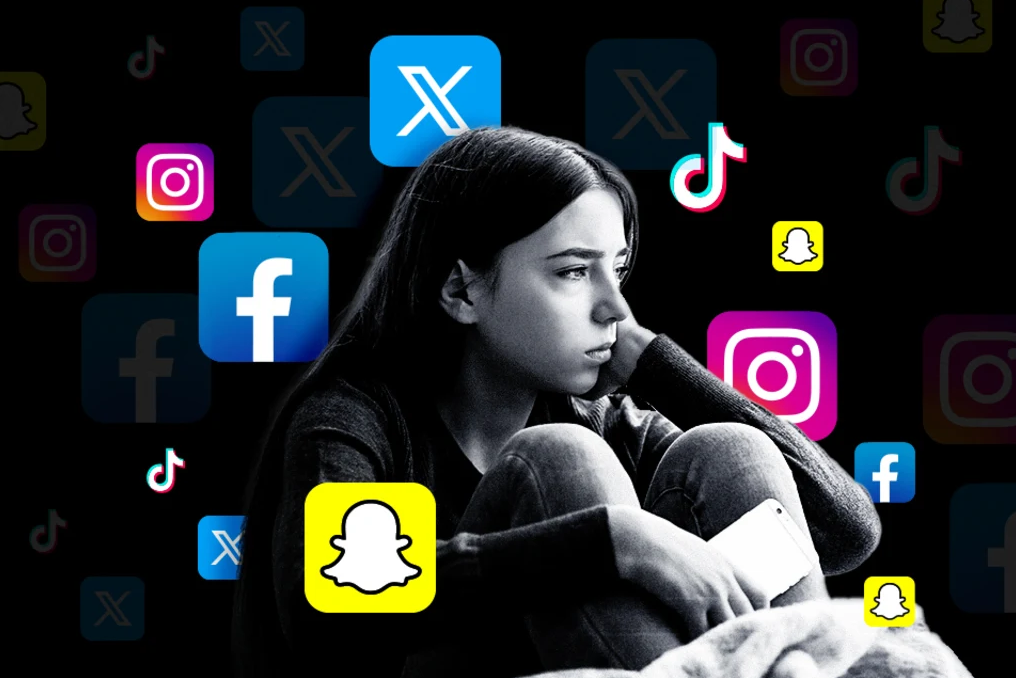
Experts insist that public health must be given priority. The former chief executive officer of Gambling Support, Gordon Moody, has pointed out to the media that problem gambling tends to develop silently: “The key is not the frequency, but whether the gamblers are in control of ideas, decision-making and emotions. The danger is that it grows in silence.” As youth social media use saturated official recognition and early exposure to evidence of gambling increases, policymakers face new operational pressures. Many analysts believe that the social media ban under the age of 16 is only the beginning and that further gambling-related reforms are likely to follow.