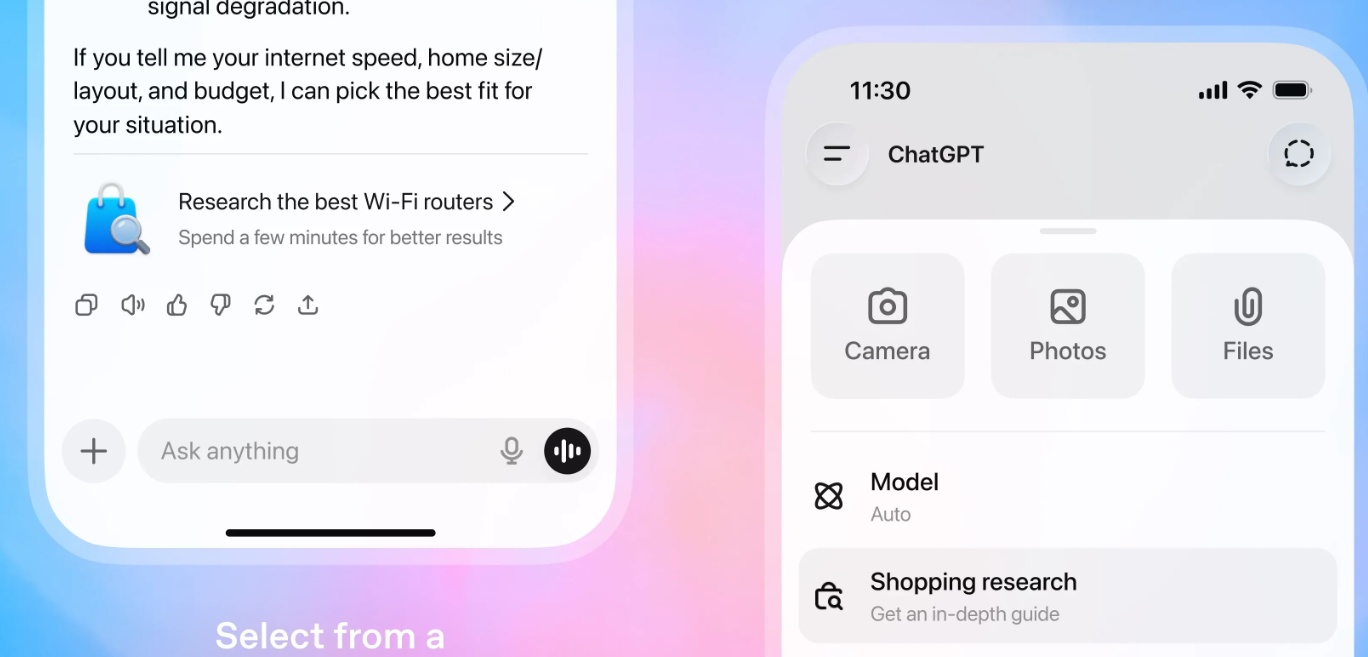
OpenAI has officially introduced an built-in “shopping search” that transforms the product discovery process into a personalized conversational experience, or will radically change the way consumers search and compare commodities online. This new tool provides clarity, scans credible retail websites for real-time price and inventory information and produces customized shopping guides within minutes. OpenAI announced that it would provide “near unrestricted” access throughout the Christmas season.
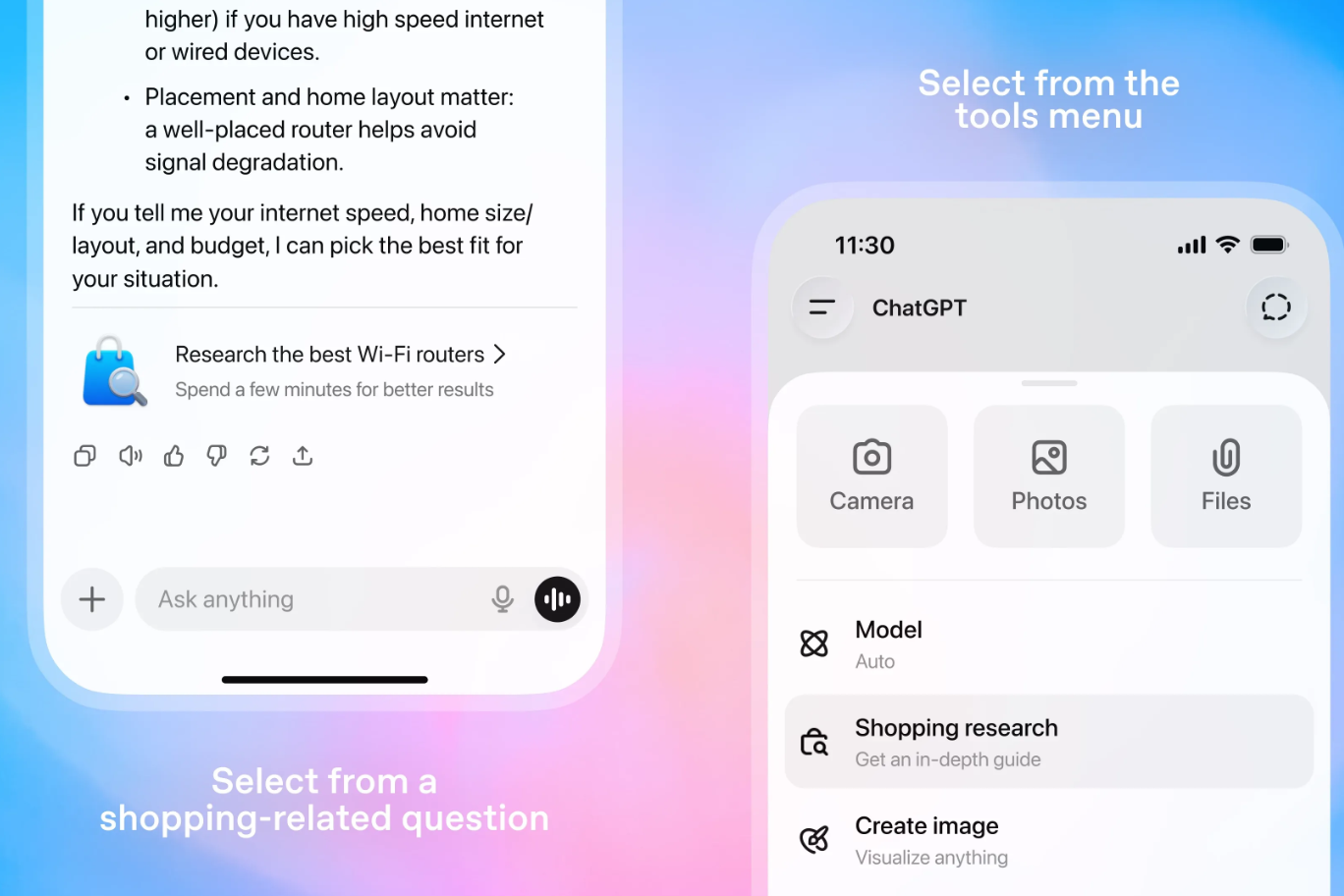
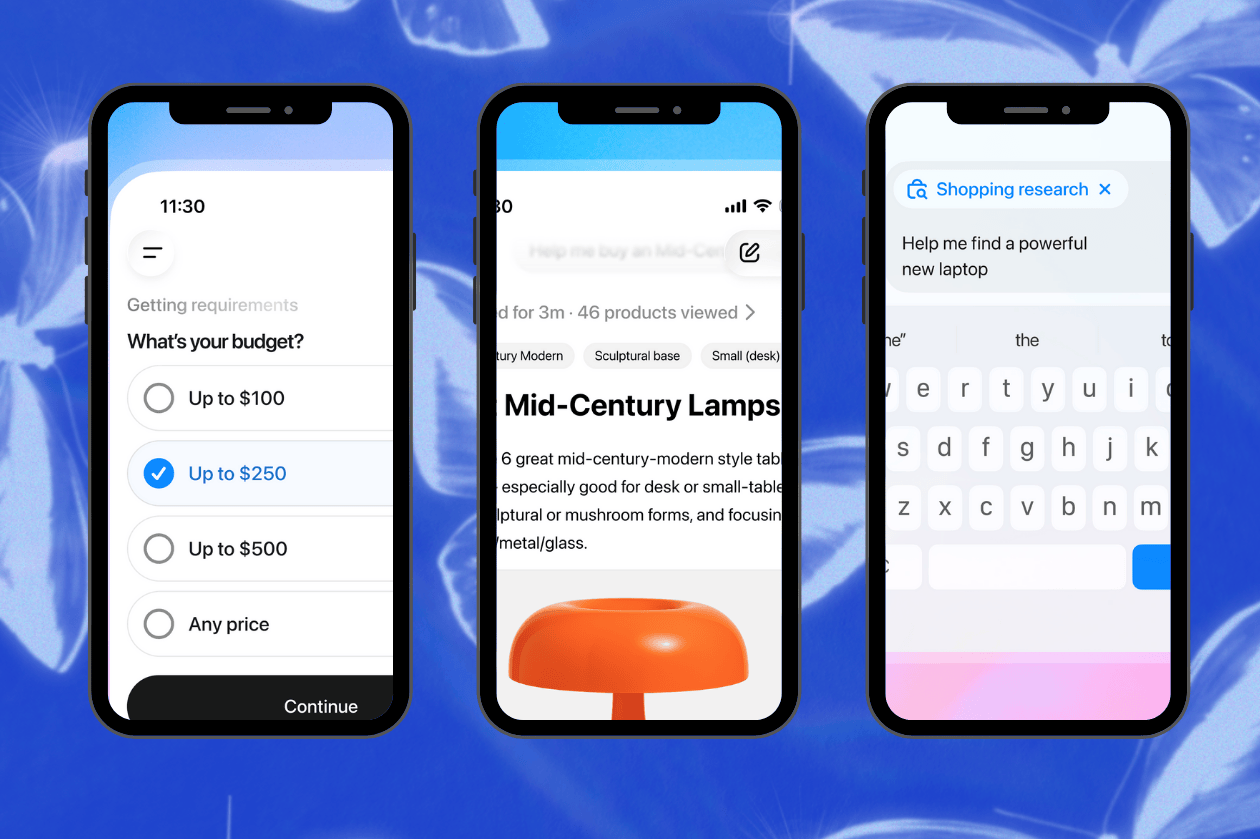
According to official accounts, this function is designed to address the needs of in-depth decision-making, especially in the more detailed and intensive categories of electronics, cosmetics, kitchen appliances, home gardening and sports equipment. Users do not have to search multiple platforms repeatedly, but simply describe needs (e.g., “silent air vacuum cleaner” or “symmetry of a dress”), and ChatGPT generates structured analyses that include key parameters, good and bad comparisons and retail links. The system has a dynamic optimization capability: users interact with feedback signals, such as “no interest” or “more such recommendations”, and deep personalization can be achieved if memory functions are activated. OpenAI stressed that the tool would obtain real-time data on prices, inventories, assessments, specifications, etc., in a back-scanning network and would eventually be integrated into a multi-chapter shopping guide covering head options and trade-offs. The current user needs to jump to the retailer ‘ s website to complete the transaction, and when OpenAI discloses that in the future direct purchases will be made through the instant closure system. In particular, the company states: “All results are naturally sequenced rather than advertised, and chat records are never shared with retailers. Businesses can ensure that their websites are included through the White List mechanism.”
The White List mechanism refers to the technical process of the business website authorizing the ChatGPT web reptile access. In other words, retailers must open up reptile privileges before their goods can appear in a shopping search. This is in theory positive, especially when chat robots gradually replace Google as the mainstream portal. However, as yesterday’s report shows, ChatGPT has not yet been able to bring effective transformation to business. This is another key development in the field of AI-driven electric operators following the integration of OpenAI with Etsy, Shopify and Stripe, allowing users to pay directly in the chat interface, which together turn ChatGPT into an important hub linking consumers to retailers. However, as intelligent dialogue platforms continue to blur the boundaries between search, recommendation and shopping, they also trigger industry discussions on product exposure logic, algorithm transparency, and the future of fee advertising models in dialogue interfaces. At this stage, OpenAI maintains that the system uses natural sequencing and reference mechanisms. The view was expressed that, in the initial phase of expansion of the function of the ChatGPT electrician, capture of market shares was the central objective. This is a logical move: the “shopping search” function will cover all ChatGPT accounts as of that date, including free and basic versions.

However, as the AI platform continues to improve its product discovery function, it is likely that in the future it will be possible to introduce a commercial cooperation mechanism, or even to develop a bid system like Google Advertising – This will be a critical path for sharing the huge operating costs of the platform, and it is clear that the business closure cannot be maintained on the basis of subscription fees alone.